ZOSI vs ANNKE Wired Camera Kits Compared: Which Is Better? (October 2026)
Choose ANNKE for a choice of 4 or 8 included cameras and specified color night vision, or ZOSI for per-camera recording modes and USB backup. Both are wired 8-channel kits with a 1TB drive and human and vehicle detection.
On this page (9 sections)
- ZOSI vs ANNKE: what is the main difference?
- Which kit covers the most areas out of the box?
- How do detection and alerts compare?
- Which has better night vision?
- How do recording and storage options differ?
- What should you plan before installing a wired DVR kit?
- What common buying and setup mistakes should you avoid?
- Which ZOSI or ANNKE kit should you choose?
- Related guides
ZOSI vs ANNKE comes down to recording control, night viewing, and how many cameras you need included. ANNKE offers a four-camera or eight-camera kit and specifies color night vision; ZOSI offers camera-by-camera recording modes and USB backup.
All three options here are wired systems with an 8-channel DVR, a 1TB hard drive, and human and vehicle detection. The best fit depends on your camera plan, cable routes, and how you want to find and save footage later.


ZOSI vs ANNKE: what is the main difference?
ANNKE gives you a choice of four or eight included cameras, while ZOSI gives you more control over recording modes. The two brands suit different priorities within the same general wired DVR setup.
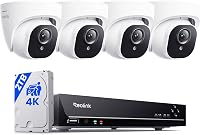
The ANNKE 8-camera kit is a fit when you want eight cameras in the box, with 60 ft BNC cables, power splitters, and a DVR. Its features include human and vehicle search in recordings and smart dual light with full-color night vision at a specified range.
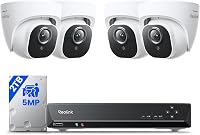
The ANNKE 4-camera kit is another way to start with the same 8-channel DVR format and a smaller initial camera layout. The ZOSI kit also includes eight cameras, but stands out for continuous, scheduled, motion-triggered, and loop recording modes that you can assign separately to cameras.
None of these is a quick wireless setup. Before choosing, check where the DVR will sit and which areas need coverage.
Also consider whether you can route a cable from each camera to the recorder. Our guide to home security camera systems explains how camera count, recorder choice, and installation fit together.
Which kit covers the most areas out of the box?
The ANNKE 8-camera kit and ZOSI both include eight cameras. Either can cover several entry points and sides of a home, if the cable routes reach the planned positions.
ANNKE specifies eight 60 ft BNC cables. ZOSI also includes eight BNC cables, but their length isn't specified here, so check that the cable runs will reach before you commit to positions.
Start by drawing your home and marking doors, driveways, gates, and paths you want to see. Add likely camera positions, then check for walls, eaves, and other obstacles that might block the view.
Eight cameras do not automatically mean eight useful views. If a camera points at a wall or overlaps a nearby camera too closely, it uses one of your channels without adding much information.
When does ANNKE make more sense in a ZOSI vs ANNKE comparison?
Pick the ANNKE 8-camera kit when you can use eight cameras now and value its specified color night vision. Its included cables are 60 ft, so map the routes against that length.
The kit supports person and vehicle detection and search in recordings. Its DVR also supports several camera types, including TVI, AHD, CVI, CVBS, and IP, which may help if you plan to connect compatible cameras beyond those included.
Skip this option if you only need a few views and would rather avoid installing unused cameras. The ANNKE four-camera kit offers a smaller starting set with the same 8-channel DVR format.
When is the four-camera ANNKE kit a better starting point?
Choose the four-camera ANNKE kit if four planned views cover your current needs. It leaves the other DVR channels available for a future camera plan, subject to compatibility.
Before you buy, decide which four views matter most. Common starting points include the main entrance, a garage or driveway, and a side or rear access point.
This kit is a poor fit if you already know you need coverage across eight separate locations. In that case, compare the included cameras and cable lengths of the ANNKE 8-camera kit and ZOSI set against your site plan.
Who should choose ZOSI?
Choose ZOSI if you want to set recording behavior camera by camera and save clips to USB. Its four modes let you use continuous recording in busy areas and scheduled or motion-triggered recording where that better fits your needs.
Loop recording overwrites older footage as the drive fills, while USB backup lets you copy video to a memory stick or external drive. Decide where to keep backups and who will copy important clips before you need them.
ZOSI is less suitable if full-color night vision is a deciding feature, since a separate color night vision range isn't specified for this kit. It also requires careful cable and power planning like the ANNKE systems.
How do detection and alerts compare?
Both brands offer human and vehicle detection, motion zones, and phone alerts. ZOSI also describes email alerts, while ANNKE highlights searching recordings for people or vehicles.
With ZOSI, you can customize motion zones for each camera and choose a recording mode for that view. A zone that excludes a busy road or swaying tree may cut down on unwanted motion events, though it takes some adjustment to match the scene.
ANNKE's AI Motion Detection 2.0 includes flexible detection areas and human or vehicle search in recordings. The search feature is useful when you need to narrow down footage instead of replaying a long stretch from one camera.
Set zones around the areas you care about, such as a doorway or gate, and review the results after installation. Avoid aiming detection across a sidewalk or road if you don't need activity there; frequent passing movement can create alerts you may ignore.
Which has better night vision?
ANNKE specifies black-and-white night vision up to 100 ft and full-color night vision up to 66 ft. ZOSI specifies night vision up to 80 ft.
ANNKE's cameras use infrared and white lights, with a smart dual-light feature that can switch between infrared and color night modes. This makes ANNKE the clearer choice if color night viewing is important to your decision.
ZOSI's cameras use 24 infrared LEDs. The stated range is shorter than ANNKE's black-and-white range, and no separate color range is specified for this kit.
Treat range as a planning guide, not a promise that every person or object will be clear at the far edge. Aim cameras at the area where useful detail matters, keep lights and reflective surfaces from shining into the lens, and check the view after dark.
For more low-light options, see our guide to night vision security camera systems.
How do recording and storage options differ?
Both systems include a 1TB hard drive and H.265+ compression. ZOSI offers four recording modes and USB backup, while ANNKE supports continuous recording and a larger hard drive capacity.
On ZOSI, continuous recording keeps footage coming, scheduled recording follows time periods you set, motion-triggered recording saves activity events, and loop recording replaces the oldest footage as space is used. Choose modes according to how quickly each area changes and how much recorded time you need.
ANNKE supports continuous recording with its included drive and says its DVR can support a drive up to 10TB. Its H.265+ compression is designed to use less storage and bandwidth, but retention still depends on the number of cameras, activity, and recording choices.
Make a routine for saving important clips before the recorder overwrites them. The guide to how long security camera footage lasts covers the settings that affect how much history remains available.
What should you plan before installing a wired DVR kit?
Plan the recorder location, power access, and cable routes before drilling or mounting cameras. These systems depend on physical connections, so a good camera position is only useful if its cable can reach the DVR.
First, place the recorder near a monitor and a suitable network connection if you want remote access. Then measure each camera route, allowing room for turns, wall entry points, and a protected path that keeps cables away from foot traffic.
ANNKE includes BNC cables and power splitters. ZOSI's cameras need both wired power and BNC coaxial cable to connect to the DVR, so map each camera's two needs as part of the same plan.
Test the view from each proposed location before final mounting. Check daytime and nighttime framing, confirm that doors and paths stay in view, and avoid aiming into a neighbor's private space.
Our guide to wiring security cameras at home explains route planning and installation steps. For another overview, see how a home security camera system works.
What common buying and setup mistakes should you avoid?
The most common mistake is choosing by camera count or “3K Lite” wording without checking what the kit actually includes. All three kits in this comparison include 1080P cameras, even though the ANNKE DVR can support certain higher-resolution cameras separately.
Also avoid assuming that every camera cable will reach every planned location. Measure routes, account for the path through the home, and confirm power access before fixing the camera positions.
Don't leave recording settings at defaults without deciding what should happen in each area. A busy entry may need continuous recording, while a quiet side path may suit motion-triggered recording; ZOSI lets you select modes by camera.
Finally, set aside time to review alerts, playback, and night views after installation. Small adjustments to a detection zone or camera angle can make daily use easier and help avoid missing the activity you care about.
Which ZOSI or ANNKE kit should you choose?
Choose ANNKE if color night vision or a choice between four and eight included cameras matters most. Choose ZOSI if you want per-camera recording modes and USB backup.
Pick ANNKE's 8-camera kit for broad coverage from the start, person and vehicle search, and specified full-color night vision up to 66 ft. Pick its 4-camera kit if four views meet your needs now and you want an 8-channel DVR format.
Choose ZOSI if you plan to combine continuous, scheduled, motion-triggered, or loop recording across different areas. Before ordering any of them, map the camera positions and confirm that cable paths, power, and night views fit your property.
For the next step, compare the recorder types in NVR vs DVR for home security. It can help you decide whether one of these DVR kits matches the rest of your camera plan.
Related guides
- Home security camera systems: how to pick the right kit
- Best night vision security camera systems for dark yards
- How to wire security cameras at home, step by step
- How long security camera footage lasts
Frequently asked questions
Is ZOSI or ANNKE better for a wired camera system?
Choose ANNKE if you want a choice of four or eight included cameras and specified full-color night vision. Choose ZOSI if setting a different recording mode for each camera and copying video to USB matter more.
Both kits include a 1TB hard drive, use an 8-channel DVR, and offer human and vehicle detection.
Are ZOSI and ANNKE camera kits wireless?
No, both are wired DVR kits. ZOSI cameras need a wired power connection and BNC coaxial cable to reach the DVR, while ANNKE includes BNC cables and power splitters.
Plan the route and power access for each camera before choosing mounting spots.
Do these kits include 3K cameras?
No. Both ANNKE kits include 1080P cameras, and the ZOSI kit also includes 1080P cameras.
ANNKE's DVR can support certain higher-resolution cameras separately, but that does not change the resolution of the cameras in these kits.
Can the systems record without internet?
Both kits include a hard drive for local recording. ANNKE says recording continues with a drive even without internet, while internet is needed for remote access.
ZOSI supports local viewing through a direct monitor connection; remote access needs an online connection.